

Omnissa ONE 2026 to focus on trust in workplace AI
Thu, 27th Aug 2026
Omnissa will host Omnissa ONE 2026 in Orlando, with a focus on autonomous digital work and trust in AI.
Its annual gathering for the end-user computing market will bring together IT professionals, customers and partners as organisations assess how to manage AI in the workplace.
Omnissa linked the agenda to concerns about unsanctioned AI adoption on company devices and the broader question of how businesses can oversee software agents that act with greater independence.
According to Omnissa's State of Digital Workspace 2026 report, 75% of enterprise-managed devices, on average, had unsanctioned AI tools installed. The finding suggests a gap between employee use of AI tools and formal IT oversight.
The conference will centre on the theme "Trust is built. Autonomy follows," with sessions on digital workspace management, governance and security. Attendees will also see new agentic products and governance tools designed to support more autonomous workflows.
AI oversight
Omnissa framed the event around a practical problem for many IT departments: AI use is expanding faster than existing controls. As businesses test tools that can automate tasks or make decisions with less human intervention, questions arise over visibility, approval and accountability.
Omnissa's position in the market is based on its focus on managing endpoints, virtual desktops, applications and digital employee experience in a single software portfolio. It said customers are looking for ways to govern digital work across a mix of devices and infrastructure while allowing staff to use AI tools productively.
The business became independent in 2024 after operating as VMware's End User Computing unit. It says it now serves 26,000 customers worldwide.
In outlining the rationale for the event, Omnissa linked AI adoption not only to productivity gains but also to new operational blind spots for corporate IT teams. These include unapproved software on managed devices and uncertainty over when autonomous systems can be trusted to carry out work at scale.
One part of the event will focus on customer case studies and practical uses for autonomous workflows. Another will cover product roadmaps across unified endpoint management, desktop-as-a-service, virtual desktop infrastructure, application management, digital employee experience, and security and compliance.
The programme will also include hands-on labs, certification training and live demonstrations, alongside an exhibition area featuring technology partners. Sponsors include NVIDIA, Nutanix, Google, Amazon Web Services, IGEL and Red Hat.
Market backdrop
The emphasis on governance reflects a broader shift in workplace technology as companies try to balance employee demand for AI tools with security, compliance and operational control. In many organisations, AI adoption has started at team or individual level before formal policies or approved platforms were put in place.
That has created an opening for software vendors that can show where AI tools are being used, how they interact with corporate systems and what controls can be applied. Omnissa is trying to place its event at the centre of that discussion by focusing on trust, monitoring and managed autonomy.
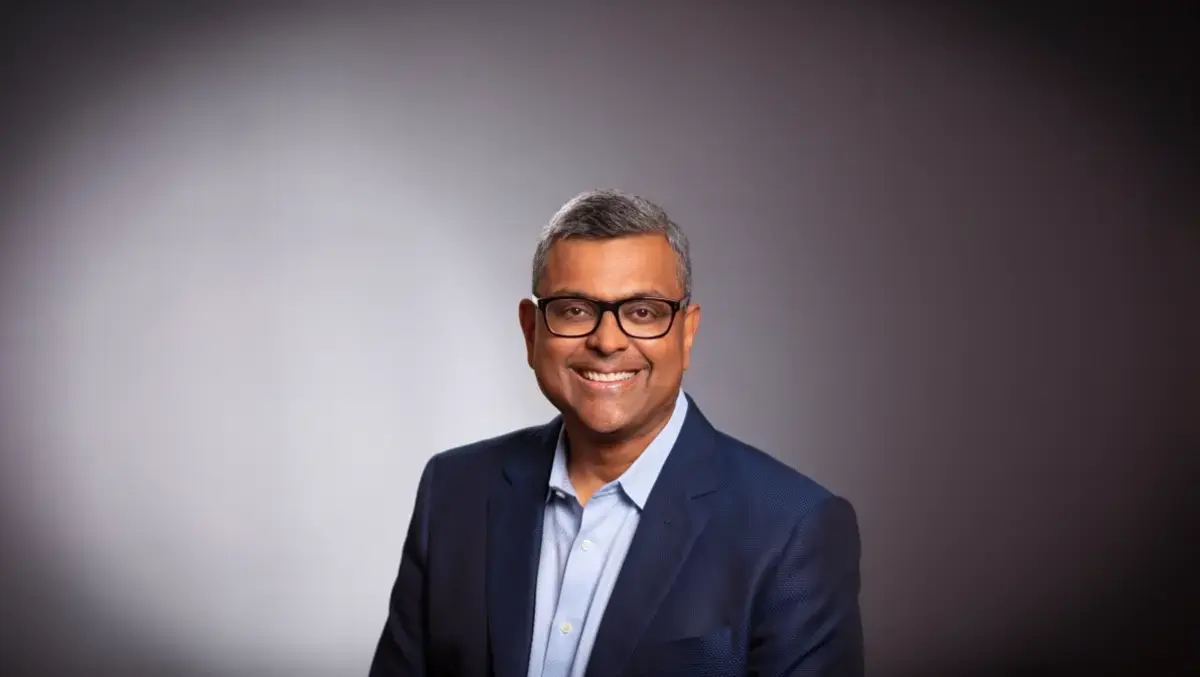
Shankar Iyer, Chief Executive Officer of Omnissa, set out the company's view of that shift.
"AI is already changing how people work, whether IT has sanctioned it or not," said Shankar Iyer, Chief Executive Officer of Omnissa. "The organizations that win will be the ones that give employees the autonomy to work with AI, backed by the visibility and control IT needs to trust it. At Omnissa ONE, we're showing customers exactly how to build a digital work foundation strong enough to use AI with confidence instead of hesitation."
The event also gives Omnissa a platform to address customers reviewing virtual desktop estates, endpoint management tools and security policies while considering broader AI projects. That overlap has become more common as workplace software decisions move away from separate infrastructure and device silos.
By linking autonomous workflows with governance and endpoint visibility, Omnissa is presenting its digital work products as part of the operational layer through which AI use can be monitored and controlled. Its argument is that trust in workplace AI depends less on the models themselves than on the systems used to manage devices, applications, access and user activity.
The reported level of unsanctioned AI installations on managed devices remains one of the clearest numerical indicators cited by Omnissa, with 75% given as the average share across enterprises in its survey.