AI Safety stories
A new survey shows IT managers are far more concerned than executives about unreported incidents, shadow AI and attackers' use of AI.
Insurers in Australia and New Zealand may gain tools for fraud checks, customer communication and injury recovery after DXC picked three startups.
As AI tools gain access to sensitive systems, Proofpoint says separate data and oversight products no longer catch the full risk.
Businesses risk falling behind as AI advances faster than workforce skills, forcing them to redesign roles, workflows and judgement.
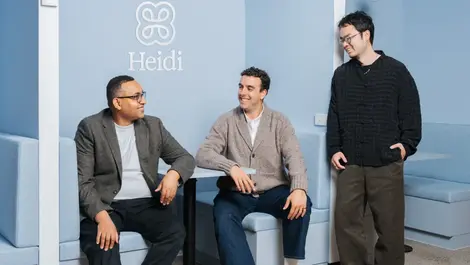
Heidi has raised US$340 million to expand its AI Care Partner across health systems and move beyond clinical documentation into supervised tasks.
The milestone underlines rising demand for independent backup as firms seek reliable records for AI-driven systems and compliance.
More than 40% of enterprise users have installed AI browser tools, leaving security teams struggling to spot permission changes and rogue agents.
Enterprises are seeking stronger controls as use of generative AI and autonomous agents widens across both internal tools and customer products.
Surveyed firms are struggling to spot when autonomous tools stray from approved tasks, as 48% of security leaders now rank them as their biggest insider threat.
The cash will fund offices in New York and San Francisco as the start-up targets faster risk checks for regulated firms and AI agents.
Industrial control systems could be patched faster as Rockwell tests controlled access to Claude Mythos 5 to spot flaws before attackers exploit them.
Australian organisations are facing rising AI security incidents, and the new tool aims to close governance gaps as agents spread across systems.
The new model is pitched at longer, harder coding jobs and arrives with broader safety checks as rivals vie for developer workflows.
The bank's AI push aims to improve staff productivity and client service as it tests secure tools with Cohere and its Layer 6 unit.
Younger parents are driving AI adoption at home, but many say privacy, safety and the risk of falling behind are fuelling anxiety.
Smaller firms could face more frequent attacks if access to advanced models stays limited to government agencies, Huntress says.
The new feature targets a growing gap in AI governance, after Cohesity found 56% of organisations feel unprepared for agent mishaps.
The funding will help the Sydney start-up reach more lenders as it targets overdue debts that are too small or costly to chase manually.
Users can now place trades and raise support requests in one chat, as the exchange rolls out a separate AI sub-account for safer automation.
Researchers and startups will gain Claude API credits as the new funding backs cancer, heart disease and rare-disease work across Australia.

















.webp)