Data breach stories
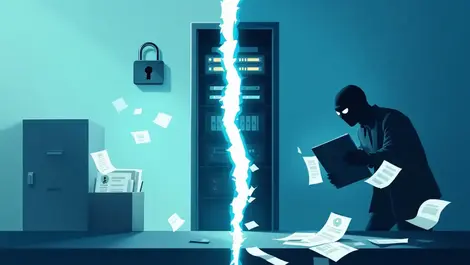
Ransomware groups claimed 2,668 leak-site victims in the third quarter, dwarfing 353 publicly disclosed attacks and exposing a growing reporting gap.
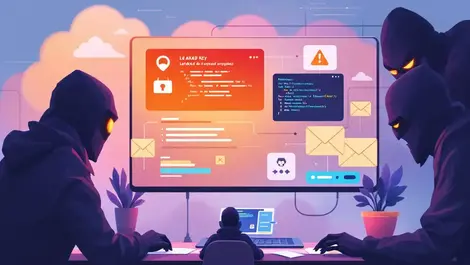
Only 35% of firms responded to its previous warnings, as exposed secrets can stay active for days and attackers move faster with AI.
Cybercriminals are using fake retail and banking emails to target staff and shoppers, with early November attacks 82% above October's total.
Cyber insurance claims are far smaller than breach-cost surveys, leaving Hong Kong and Singapore buyers at risk of underbudgeting response and recovery.
Holiday-themed words still appear in breached logins, with Specops finding more than 242,000 instances across 260 million exposed passwords.
Australian businesses face sharper breach risks in 2027 as AI assistants and trusted staff credentials become prime targets for cybercriminals.
Organisations under attack can now get privileged access controls deployed within minutes as cyber incidents rise and response teams face heavier caseloads.
Stolen data from one breach was later recycled to impersonate employees and phish staff at another US organisation, Google said.
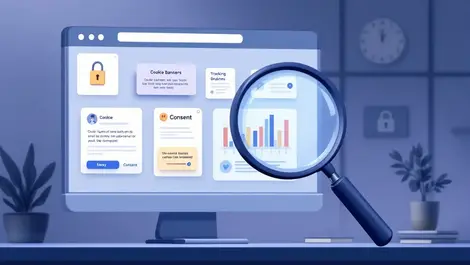
Businesses can now spot website consent faults earlier as Syrenis adds regulator-style scanning to its privacy software offering.
Many breaches begin with exposed credentials or fake domains long before alerts fire, leaving security teams to react after the damage is done.
The free app checks links, messages and images to help consumers spot scams before they click, buy or share on mobile.
Claims are now spreading beyond the US as attackers favour data theft and extortion, with New Zealand firms increasingly in their sights.
The campaign exposed emergency patient records and university data, showing how one attacker can scale attacks across 11 countries with AI help.
Businesses face rising regulatory and legal risk as AI rules demand proof of what data was used, when, and under whose authority.
Staff lost access to key systems on Wednesday morning as RNZ moved to contain unusual activity and alerted cyber-security authorities.
Phishing, fake invoices and cloned voices are becoming harder to spot, leaving Canadian firms exposed to faster and more disruptive breaches.
Organisations hit by cyber attacks can now get Keeper engineers within minutes, as the company bypasses sales to help contain breaches faster.
Nearly a fifth of British staff have handed AI tools passwords, while security executives report a surge in related access incidents.
A readable cloud backup can expose private chats to breaches, subpoenas and staff, while user-held encryption keeps recovery private.
A gap in training may be leaving firms exposed, as 55% of workers surveyed did not think their own online activity could spark a breach.