Identity Theft stories
The ranking reinforces Incode's pitch to banks and platforms seeking faster checks as deepfakes and synthetic identities raise fraud risk.
Nearly 25 per cent of newly observed domains were high-risk, underscoring how AI and rented infrastructure are making attacks harder to detect.
Automated requests now make up most web traffic, raising costs for sites and sharpening fears over AI-driven fraud and phishing.
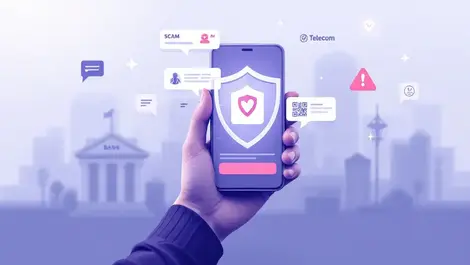
Rising smartphone fraud is pushing banks, insurers and telecoms to add scam protection without building it in-house.
Windows users face session theft risk as MedusaHVNC lets attackers operate in hidden browser desktops using existing cookies and log-ins.
Earlier checks on contact details could curb fake reservations, cut chargebacks and free hotel staff before rooms are wrongly blocked.
Demand is rising for outside-in cyber monitoring as firms seek earlier warning of impersonation, leaks and fraud before systems are breached.
Healthcare providers can cut fraud and account takeover risks on MyChart, while keeping patient sign-ups and recovery simple.
Corporate travellers at hotels and conference centres were quietly sent to fake Microsoft 365 pages after attackers took over guest Wi-Fi gateways.
Australian consumers face a higher risk of tailored scams, as stolen contact details can be used to mimic trusted brands after the Origin breach.
Attacks are increasingly concentrating on a handful of familiar brands, with Microsoft alone accounting for 23% of phishing attempts in Q2 2026.
The service targets a gap in corporate defences as hackers increasingly use executives' personal devices, homes and families to gain access.
Fraudsters' World Cup scam sites were spotted months ahead of kick-off, helping agencies and firms shut down fake FIFA domains before users were hit.
AI-driven phishing and state-linked espionage are pushing Asia-Pacific incident numbers higher, with data breaches still the biggest threat.
Awareness of the EU-backed identity scheme remains low in France and Germany, with privacy and reliability worries slowing potential adoption.
A recent government breach has exposed a wider gap in cyber awareness, with stolen personal data sold online for as little as GBP £5.
Customers face heightened scam risks as Origin Energy investigates claims that a hacker accessed two million records and alerted regulators.
Digital fatigue and scam fears are helping keep posted letters credible, with 78% wanting important government messages by mail.
Scammers are exploiting grief-driven sharing with fake death posts that can spread malware, harvest data and build rogue audiences.
Holiday gaming and AI use are exposing more children to data risks, as one in five parents have never discussed online privacy.