Infosec stories
Organisations faced 2,422 cyber attacks a week in August as ransomware and phishing intensified, while AI use created fresh data exposure risks.
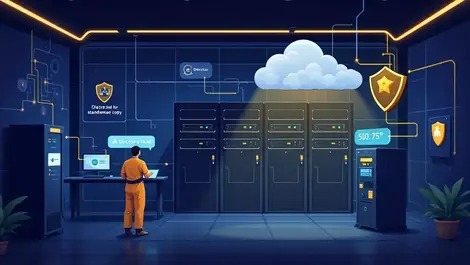
A clean standby copy aims to keep authentication and access running after cyberattacks, helping firms restore Active Directory in minutes.
With premiums flat for now, buyers who tie cover to outage costs can avoid nasty surprises when cyber insurers start tightening terms.
It could cut the cost and delay of bringing AI agents to regulated data by letting firms use live SQL systems without migration.
Rising phishing, ransomware and AI misuse are leaving organisations exposed, with weekly attacks up 22% from a year earlier.
Defenders now have minutes, not hours, as attackers use agentic AI to automate credential theft, scanning and extortion across live operations.
The hires are aimed at strengthening sales as demand rises for tools that help firms govern and protect sensitive data in AI systems.
Large enterprises are being offered a single security operating model as the tie-up aims to turn cyber alerts into business risk decisions.
European resellers will gain a simpler route to buy TrendAI's security software as Ingram Micro and Arrow handle billing across AWS Marketplace.
Security-conscious banks and defence agencies can now keep Cursor agents on their own infrastructure, reducing exposure of code, secrets and audit data.
The cyber security vendor is widening its European reach after a USD $250 million funding round, with first UK and Ireland distribution set via Infinigate.
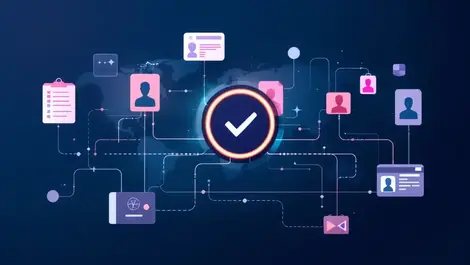
Businesses onboarding customers abroad may benefit, as Shufti's document checks now cover more than 10,000 identity types in 240 countries.
Security teams are under pressure from faster AI-driven attacks, prompting Zscaler to add automated remediation and third-party integrations globally.
Security teams could cut manual triage as the new service ranks code and intrusion risks by real-world exploitability, not alert volume.
Attackers are compressing intrusions into hours, leaving defenders less time to spot and stop credential-harvesting campaigns.
As demand for cybersecurity tools grows, the company is bolstering governance and talent leadership to support global expansion.
Trusted partners and tighter guardrails are becoming essential as AI agents expand the attack surface and put data sovereignty on the line.
Enterprises using Apache Iceberg on AWS can now restore full, queryable tables after incidents, reducing manual rebuilds and downtime.
The hire signals Okta's push to widen its channel reach in APJ as AI adoption raises demand for tighter identity controls.
Faster uptake of the SOC 2 compliance platform points to rising demand as enterprises seek cheaper, simpler audit automation.