Renewable energy stories
The projects in China, Australia, and the U.S. will total 615 MWh. Comes as Amazon criticised for conditions and lack of paid sick leave in U.S.
Google aims for '24/7 carbon-free' data centres by using a new computing platform that shifts tasks to times when greener energy sources are plentiful.
The Australian project is one of six new renewable energy projects, which are expected to produce a total 711MW of new renewable energy capacity.
A new report warns rising temperatures, melting glaciers and sea levels could reshape the country unless emissions fall quickly.
Homeowners could save time and money as building consents are dropped for some small structures, from sheds and carports to solar arrays.
Schneider Electric reaffirms commitment to net-zero emissions as part of the Australian Renewable Energy Agency's Industry Energy Transitions Initiative.
New Zealand’s shift away from fossil fuels has a dedicated national hub, as Ara Ake opens to test clean energy options for wider uptake.
New transmission upgrades and extra storage will be needed as the smelter’s exit frees up 12% of New Zealand’s electricity, experts say.
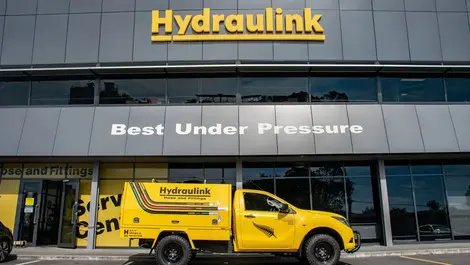
Its 400-plus service points across Australasia are helping customers cut costly downtime as Hydraulink adds new distributors and branches.
Consumers faced an extra USD $80 million bill as the Electricity Authority found Meridian’s spilling also raised emissions and fossil fuel use.
The project will add 93 MW of capacity and offset 100,000 tonnes of CO2 a year as MainPower begins site works near Waipara.
Global cooperation and heavy state intervention would favour low-carbon infrastructure, while fossil-fuel projects and greenfield builds are marginalised.
Private technology firms are poised to dominate infrastructure, as automation and data reshape jobs, services and investment across the sector.
Regional blocs and national champions could leave infrastructure slower to innovate, more monopolistic and less resilient as climate risks mount.
Recognition of waste-to-energy plants as essential has sharpened focus on their role in safely treating infectious rubbish during the pandemic.
Lockdowns are set to cut CO2 emissions by at least 5% this year, but any climate gain could be erased unless stimulus backs cleaner growth.
The new plant will treat 40,000 tonnes of hazardous waste a year, helping Shanghai industry meet stricter emissions standards.
Billions in COVID-19 spending could be used to unlock projects, create jobs and speed New Zealand’s economic recovery, Infrastructure NZ says.
Its climate potential for steelmaking could help cut coal use, as researchers uncover a zero-carbon way to make iron using hydrogen.
Investors may pour more money into low-carbon projects this year, but election outcomes and climate shocks could still slow decarbonisation.