Infosec stories
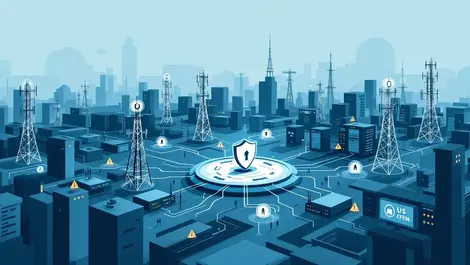
Basic security gaps are leaving nearly two-thirds of analysed US telecoms providers in an elevated cyber risk band, the report says.
June 2026 U.S. executive orders have turned post-quantum readiness into an operational race, forcing firms to map and manage trust fast.
The deal gives EMEA partners a simpler way to buy identity security software through AWS Marketplace as cloud procurement grows faster.
Their work has become more strategic as cyber security, AI and tighter budgets put extra pressure on the teams keeping systems running.
Rising smartphone fraud is pushing banks, insurers and telecoms to add scam protection without building it in-house.
Employees now face more realistic phone-based fraud tests as security teams can simulate vishing using local caller IDs and AI voices.
Security checks are delaying most AI projects for weeks or months, with many firms deploying watered-down systems to get them live.
The tool aims to give security teams breathing room as AI systems can now churn out working exploits faster than patch cycles can react.
Thousands of cloud customers faced a potential cross-tenant database breach, though Microsoft says the Cosmos DB flaw is now fixed with no sign of abuse.
Cloud audits produced the highest critical finding rate, while every AI system tested showed vulnerabilities and web logic flaws rose sharply.
Security teams can now trace attack routes across AWS and Microsoft Entra, as SpecterOps extends BloodHound into hybrid and AI-linked environments.
More than 7,000 SMEs could gain tighter AI and browser controls as the New York cybersecurity company uses fresh backing to widen its reach.
Defenders in Australia and New Zealand face faster, more adaptive intrusions as state-backed hackers use generative AI to scout and spread.
Routine hunting can now be run in hours rather than days, helping security teams uncover intrusions and gaps they might otherwise miss.
Customers can now track security weaknesses in real time, as GuardNest moves beyond annual checks to constant scanning and remediation.
Ransomware attacks on British factory systems jumped to 1.84 million in five months, raising the risk of production stoppages and supply chain disruption.
Malicious attacks are growing costlier as AI-generated elements feature in nearly a third of incidents, IBM's study found.
The rise of AI agents is forcing security teams to rethink access controls, as the identity vendor passes USD $300 million in ARR.
The beta gives pentesters controlled AI assistance inside Burp Suite, with approvals, logging and scope rules still enforced by the platform.
Security teams can now map hidden AI agent links on employee devices to spot overprivileged tools before they expose data or credentials.















.webp)