Infosec stories
Security teams can now pull threat intelligence into existing AI workflows, reducing manual analysis across fragmented data and incident investigations.
Security teams could be missing thousands of related files, as Stairwell says published malware hashes often expose only part of an attack.
Businesses can now run and monitor AI agents for up to seven days as Google Cloud adds tighter identity and governance controls.
Stronger demand for its network security tools sent quarterly revenue up 26 per cent and prompted a higher full-year outlook for the cybersecurity group.
Proofpoint says underground forums are advertising tools that use indirect prompt injection across emails, PDFs, calendar invites and web pages.
Ukrainian and US organisations were exposed for months after a Zimbra bug let attackers steal emails and credentials without a click.
Victims can be tricked more easily as Logokit now tailors fake login pages in real time, sending stolen credentials to Telegram bots.
Security teams can now block risky AI prompts in real time as Reco expands its platform from visibility into browser-level enforcement.
Privacy-conscious professionals can now search sensitive files on-device, as Synsira's Kind Local Pro keeps data off cloud servers.
Exposed BMCs can let attackers take persistent control of servers, with nearly 25,000 systems leaking password data before login.
Windows users face session theft risk as MedusaHVNC lets attackers operate in hidden browser desktops using existing cookies and log-ins.
Security teams could cut incident response from hours to minutes as Team Cymru folds telemetry, investigation and AI access into one platform.
European firms face mounting AI compliance pressure as ISACA plans a Munich conference to address governance, cyber resilience and digital trust.
Downstream AI data leaks have more than doubled in a year, with connected services now returning unauthorised information to staff and agents.
Demand is rising for outside-in cyber monitoring as firms seek earlier warning of impersonation, leaks and fraud before systems are breached.
Banks and insurers could soon grant AI agents narrower, time-limited access to sensitive systems under Daon's new patent.
Designed to curb data leakage and keep human staff in charge, the framework routes AI outputs by role inside Microsoft systems.
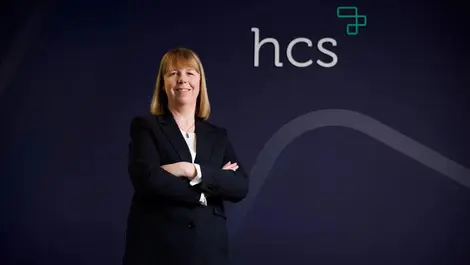
Rising demand for cyber and compliance advice is driving HCS to broaden its services as Lesley Whelan takes charge of the new practice.
New controls for AI agents and machine identities come as Saviynt passes USD $300 million in annual recurring revenue, with bookings up more than 80%.
Security chiefs face a widening breach risk as most firms plan to use AI agents, yet barely a third feel ready to secure them properly.



.webp)